
CallSchedule a consultation

The surgery day · chapter by chapter

Know the day.
Meet it calmly.

From the night before through the first morning call, this is the process patients often wish someone had simply walked them through.

Begin the walkthrough
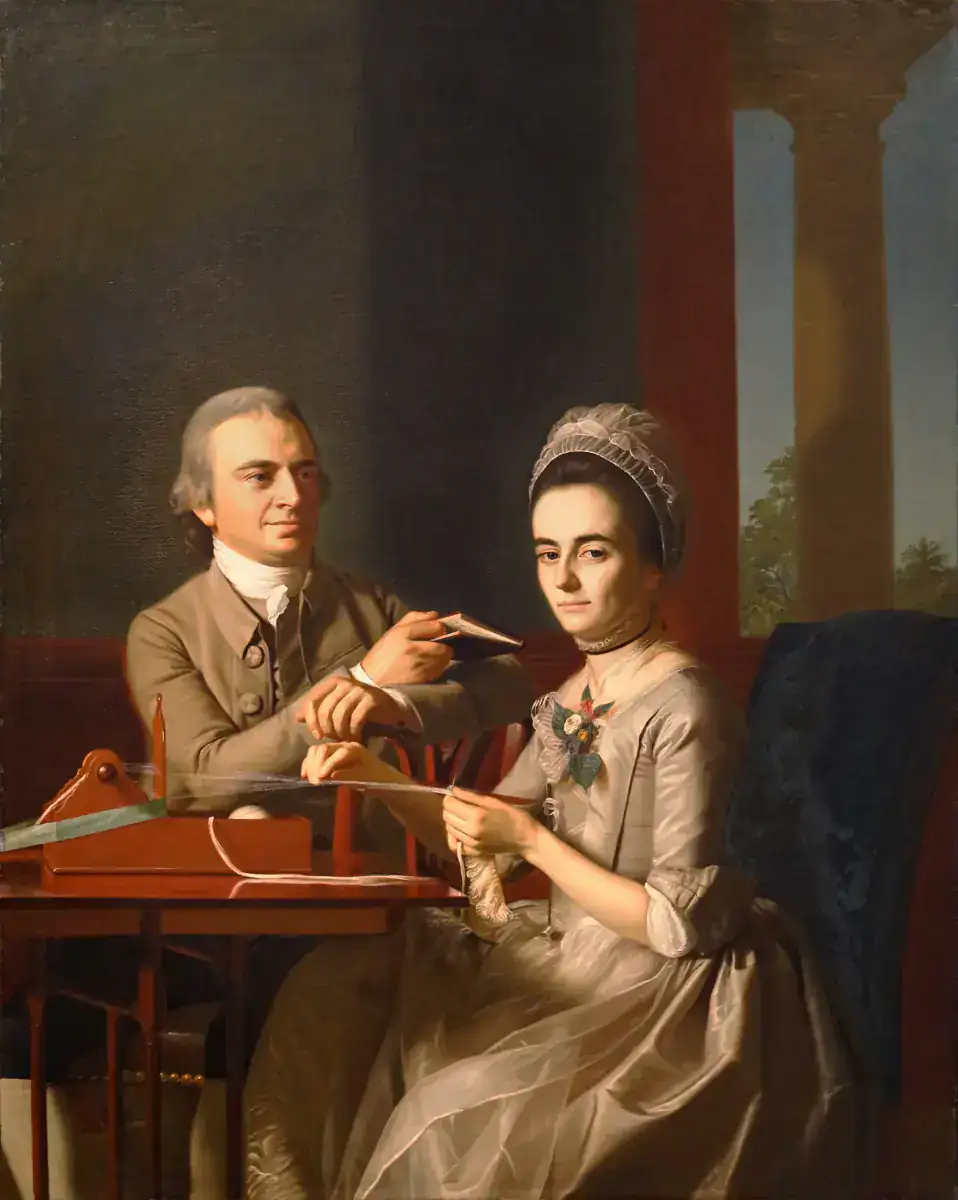
Renaissance-inspired educational artwork introducing the Dagan MD facial surgery day walkthrough
Process, explained without prediction.

01 · The night before

A quiet evening, with the decisions already made.

Follow the written eating, drinking and medication instructions prepared for you. Those instructions are specific to your health, procedure and anesthesia plan; a general website cannot replace them.

Set out loose clothing, confirm your responsible adult, and place the practice number where both of you can reach it. If an instruction is unclear, call before improvising.


02 · Arrival

Leave room for the city to be the city.

Plan extra time for Midtown traffic, building entry and check-in. Do not drive yourself when your plan includes sedation or general anesthesia.

The arrival planner below keeps transit, parking and the Madison Avenue destination in one place. Confirm the final arrival time directly with the surgical team.

Plan the arrival

Every route,
made clearer.

Explore the options before your visit. Live traffic, transit service, parking inventory and hotel availability can change, so confirm your final plan on the linked provider.

Illustrative neighborhood map—not to scale. Confirm live MTA service, garage hours, rates, vehicle restrictions and accessibility before departure.

03 · Check-in

Names, plans and questions—confirmed once more.

The team confirms your identity, procedure, allergies, medication history, fasting status, transportation and consent. Repetition is intentional: it is part of a safe surgical process.

You will change, secure personal items and have another opportunity to ask questions. Nothing proceeds because the schedule says so; the clinical checks come first.

04 · Meeting the team

You will know who is responsible for what.

You meet the people responsible for the operation, anesthesia and immediate recovery. Tell them what you are worried about—even if it feels small or embarrassing.

The surgeon reviews the plan and markings when appropriate. The anesthesia professional reviews your health, previous anesthesia experiences and the plan for comfort and monitoring.

05 · Anesthesia

The part many patients fear is actively managed.

With general anesthesia, medications keep you unconscious while a qualified anesthesia professional continuously manages breathing, circulation and depth of anesthesia. Awareness under general anesthesia is uncommon, but no clinician should call any risk impossible.

Nausea, feeling cold and a sore throat are familiar concerns. The team can use warming measures and anti-nausea strategies when appropriate, then respond to symptoms in recovery.

06 · In the operating room

A controlled room built around observation.

Before the operation begins, the team completes a formal pause to confirm the patient, procedure and essential safety details. Heart rhythm, blood pressure, oxygen, breathing and temperature are monitored according to the anesthetic and setting.

Selected focused procedures may take roughly one to three hours; complex, revision or combined facial operations may take three to six hours or longer. These are orientation ranges, not a promise. Your written plan provides the meaningful estimate.

07 · The recovery room

Waking happens in stages, with someone watching.

A recovery professional remains with you while alertness, breathing, circulation, comfort, nausea and the surgical area are assessed. It is normal for memories of this interval to be incomplete.

You may feel sleepy, cold, tight, swollen or mildly disoriented at first. Symptoms are evaluated rather than dismissed, and discharge waits for the criteria in your individual plan.

08 · Going home

Discharge is a handoff, not an ending.

A responsible adult must receive the instructions, take you home and remain available for the period specified by the team. A rideshare driver is transportation, not a postoperative escort.

You leave with written directions covering medications, positioning, dressings, activity, food, follow-up and the symptoms that require a call. Your escort should read them too.

09 · That evening

The goal is simple: safe, supported, unsurprising.

Rest in the position prescribed for your operation, take only the medications in your written plan and keep essential items within reach. Swelling, pressure and fatigue can evolve during the first evening.

The practice instructions define what is expected and what requires contact. Severe breathing difficulty, chest pain, loss of consciousness or another possible emergency requires 911—not a website message.

10 · The first morning call

The plan becomes a conversation again.

The team checks how the first night went, reviews symptoms and reinforces the next steps. Have your written instructions, medication list and questions nearby.

Do not wait for a scheduled call if something feels urgent. General guidance ends here; consultation and Dr. Dagan's direction determine your plan.

Consultation determines your plan →

The questions patients do not always voice

Plain answers before the day arrives.

Could I wake up during surgery?

With general anesthesia, a qualified anesthesia professional continuously monitors you and adjusts medications. Awareness is uncommon, but no medical team should describe any risk as impossible. Ask how your planned anesthetic is delivered and monitored.

What if anesthesia makes me nauseated?

Tell the anesthesia professional about prior nausea, motion sickness and medication reactions. Preventive medication and treatment in recovery may be used when appropriate, but no strategy prevents every episode.

Will I be cold?

Operating and recovery environments can feel cool. Temperature is monitored as appropriate, and warming blankets or other measures may be used. Tell the team when you are uncomfortable.

Who is watching me while Dr. Dagan operates?

The anesthesia professional focuses on anesthesia and physiologic monitoring while the surgical team performs the operation. Ask for the names, credentials and responsibilities of everyone involved in your specific setting.

How long will surgery take?

Duration depends on the exact procedure, anatomy, revision status and whether operations are combined. The ranges on this page are only orientation; your surgical plan provides the relevant estimate.

Can I go home alone?

Not after sedation or general anesthesia. A responsible adult is generally required to receive discharge instructions, take you home and remain available as directed. Confirm the precise requirement before the procedure.

Educational process overview only. Your surgeon and anesthesia team determine your plan.