CallSchedule a consultation

Ear shape · proportion

Otoplasty (Ear Surgery)

Reshape or reposition prominent ears while respecting the ear’s natural folds and individuality.

Schedule a consultation
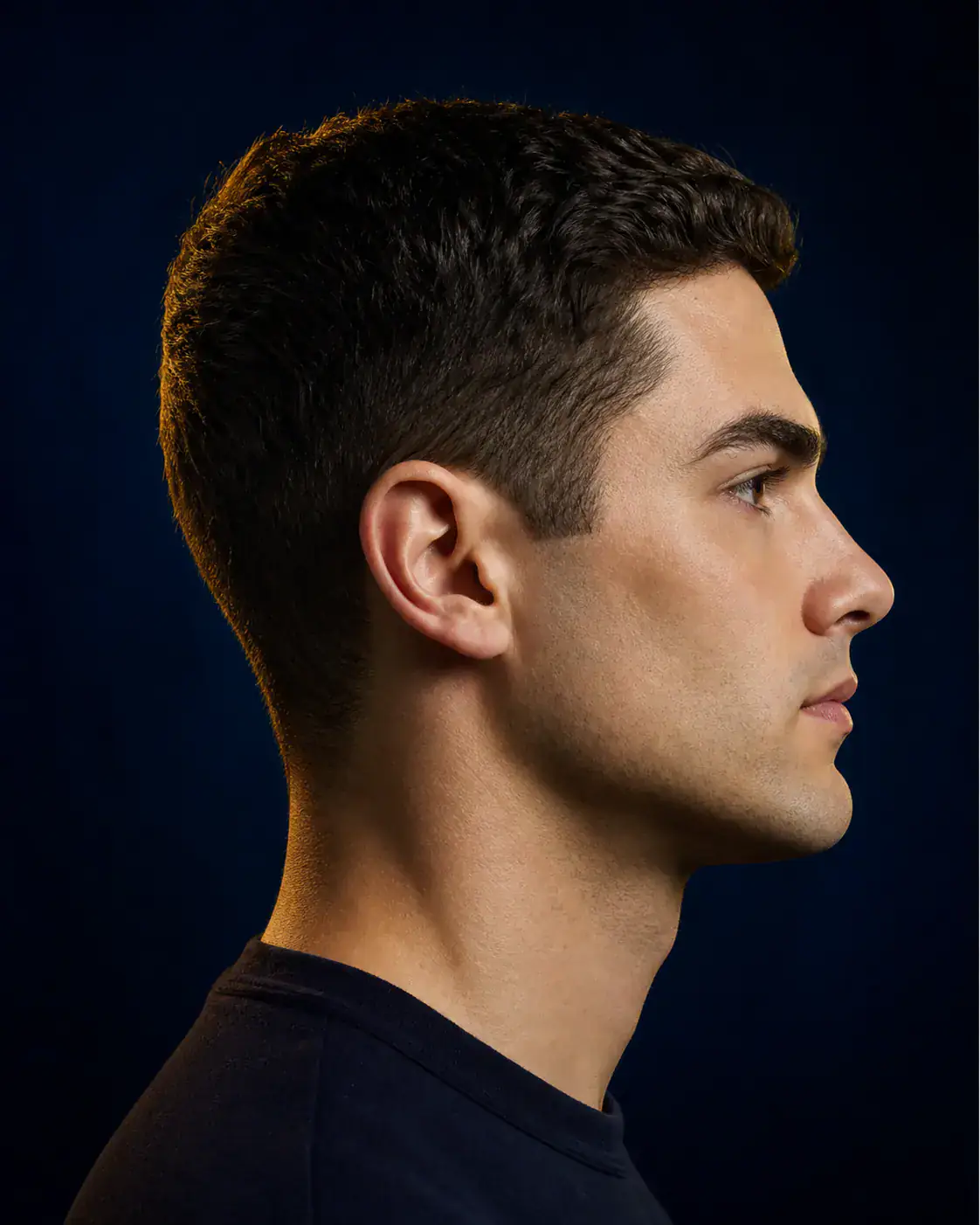
Full-color editorial image illustrating otoplasty consultation goals; not an actual patient result

Dagan MD · Interactive procedure monograph

Leaf through
the complete story.

Each chapter pairs the clinical story with a changing visual essay—original anatomical studies where precision helps and public-domain Renaissance masterworks where art says it better.

In briefFour concise answers from this dossier

What is Otoplasty?

Reshape or reposition prominent ears while respecting the ear’s natural folds and individuality. Otoplasty may address prominence, asymmetry or specific cartilage contours. The operation is tailored to the cause rather than relying on a single pinning technique. Candidacy and planning require consultation.

What does Otoplasty address?

Otoplasty analyzes the antihelical fold, conchal bowl, ear-to-head angle, lobe and natural differences between sides. Otoplasty may address prominence, asymmetry or specific cartilage contours. The operation is tailored to the cause rather than relying on a single pinning technique. Candidacy and planning require consultation.

How may Otoplasty be performed?

Cartilage-sparing suture shaping. Selective cartilage scoring or reduction. Conchal setback. Lobe adjustment when it contributes to prominence Otoplasty may address prominence, asymmetry or specific cartilage contours. The operation is tailored to the cause rather than relying on a single pinning technique. Candidacy and planning require consultation.

What should I know about recovery, risks and alternatives?

A protective dressing is used as directed. Swelling, tenderness and temporary altered sensation improve gradually. Bleeding, infection, fluid collection and delayed healing. Temporary or lasting numbness, asymmetry, contour irregularity or an unfavorable scar. Alternatives described on this page include Observation and Hairstyle camouflage. Candidacy and planning require consultation.

Educational information only. These summaries cannot determine candidacy, diagnose a condition or replace an individual medical evaluation.

Portrait · purpose · possibility

Full-color editorial image illustrating otoplasty consultation goals; not an actual patient result
Otoplasty (Ear Surgery) · the individual anatomy and goal

The opening portrait keeps the discussion grounded in the feature, proportion or concern this service is designed to evaluate.

Ear shape · proportion

Overview

Otoplasty (Ear Surgery)

Otoplasty may address prominence, asymmetry or specific cartilage contours. The operation is tailored to the cause rather than relying on a single pinning technique.

  1. 01Cartilage and fold analysis
  2. 02Hidden posterior incision when appropriate
  3. 03Symmetry without overcorrection
  4. 04Protective dressing and activity plan
1
1 of 7
DAGAN MD

Dagan MD · Procedure monograph

Otoplasty (Ear Surgery)

Reshape or reposition prominent ears while respecting the ear’s natural folds and individuality.

Tal Dagan, MD, FACS · 420 Madison Avenue, Suites 503–505 · New York, NY 10017 · (212) 585-3242 · myfacesurgeon.com

Full-color editorial image illustrating otoplasty consultation goals; not an actual patient result
Portrait · purpose · possibility
Otoplasty (Ear Surgery) · the individual anatomy and goal
The opening portrait keeps the discussion grounded in the feature, proportion or concern this service is designed to evaluate.

Overview

Otoplasty (Ear Surgery)

Otoplasty may address prominence, asymmetry or specific cartilage contours. The operation is tailored to the cause rather than relying on a single pinning technique.

  1. 01Cartilage and fold analysis
  2. 02Hidden posterior incision when appropriate
  3. 03Symmetry without overcorrection
  4. 04Protective dressing and activity plan
Page
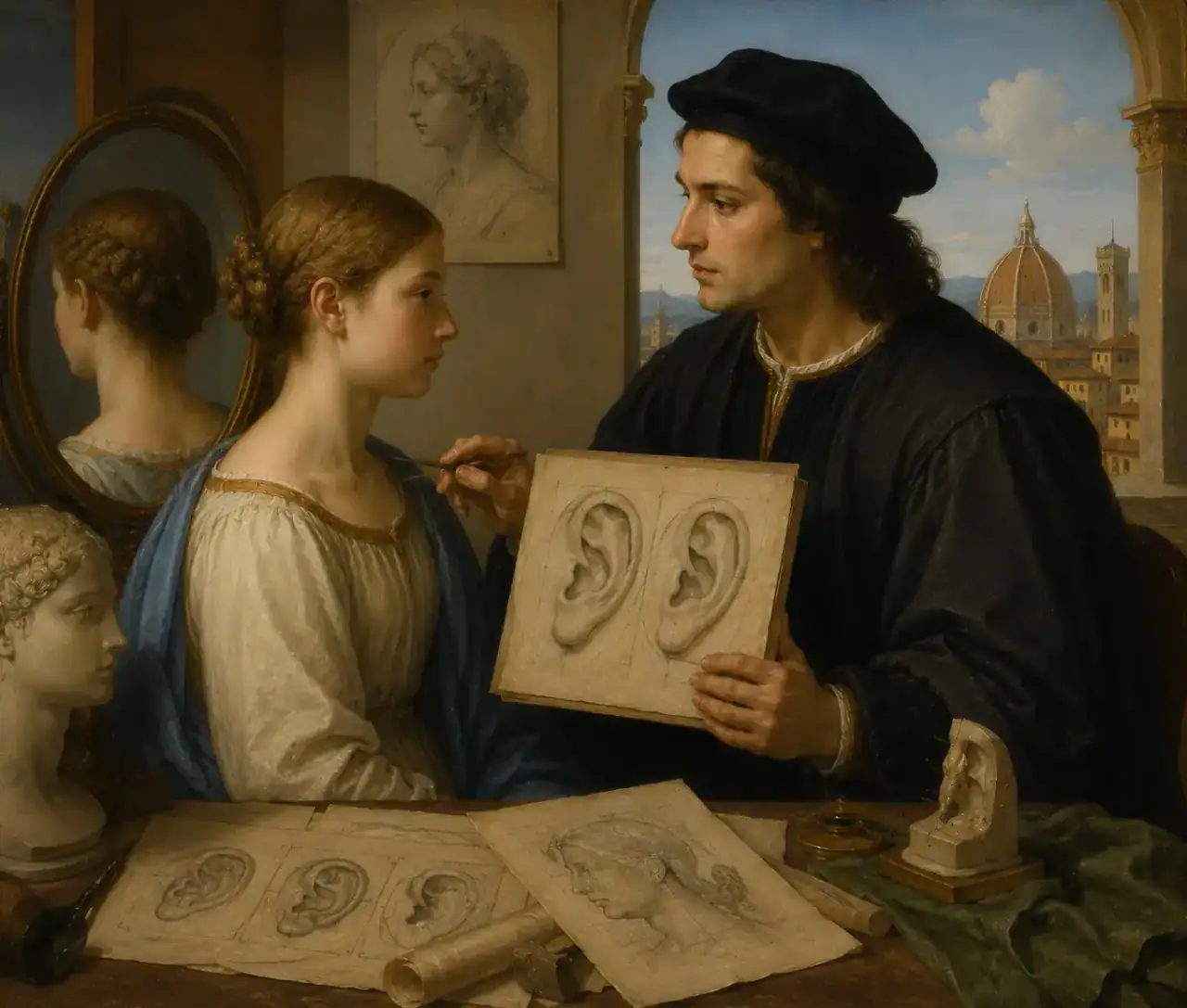
Renaissance-inspired consultation scene of a surgeon comparing ear anatomy studies with a patient beside a mirror
Observation - proportion - preparation
Preparation begins with observation from every angle
The mirrored profile and ear studies reflect the purpose of preparation: understanding projection, folds, asymmetry and the relationship of each ear to the head before selecting a plan.

Prepare

Preparing thoughtfully

A well-planned procedure begins before treatment day.

  1. 01Review medications, supplements, nicotine use and health history.
  2. 02Arrange transportation and the recommended level of help at home.
  3. 03Follow the individualized fasting, cleansing and medication instructions supplied by the practice.
Page
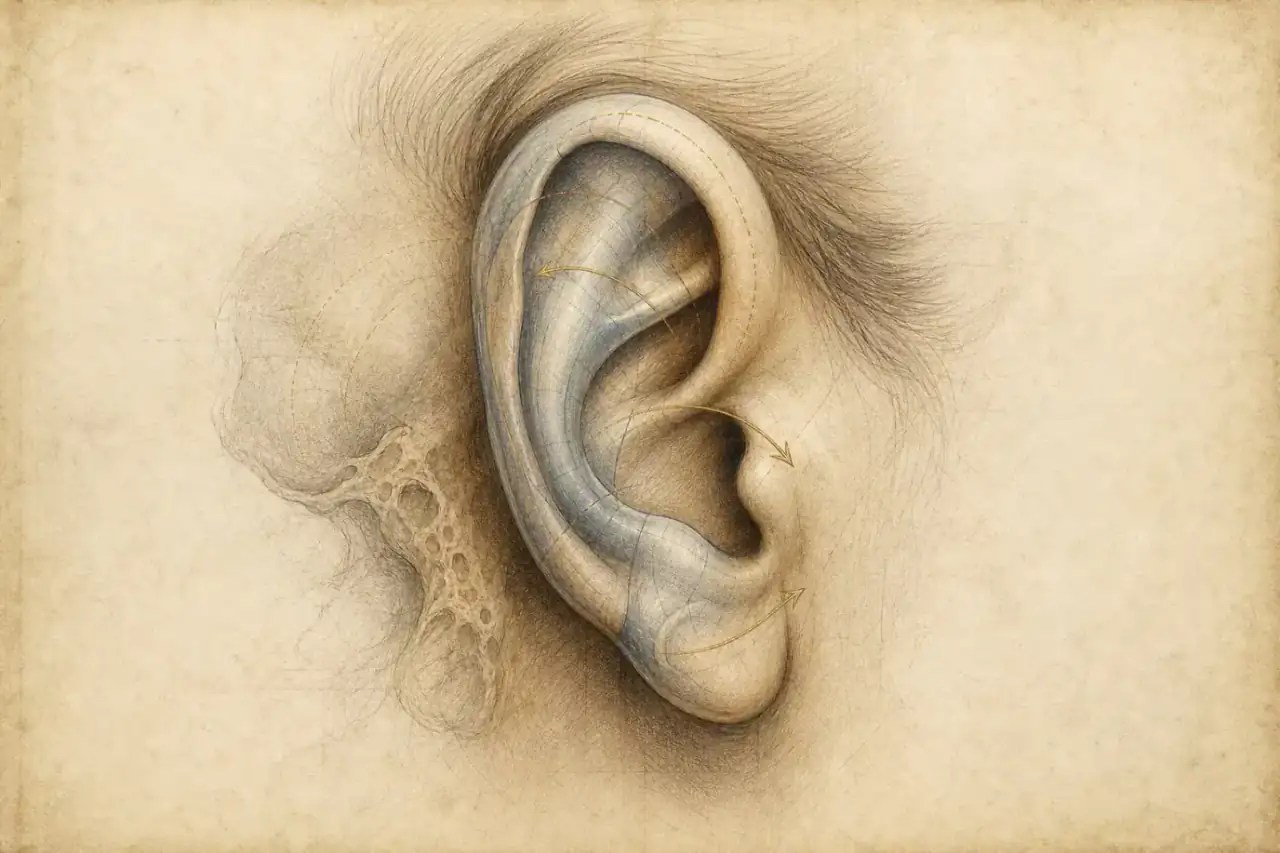
Renaissance-style otoplasty anatomy illustration showing antihelical fold, conchal bowl and ear cartilage
Intention · anatomy · execution
Otoplasty study · cartilage folds and natural proportion
The facing plate is devoted to the structures this procedure treats, keeping the discussion anchored to anatomy rather than a generic ideal.

Procedure

What the procedure addresses

Otoplasty analyzes the antihelical fold, conchal bowl, ear-to-head angle, lobe and natural differences between sides.

  1. 01Cartilage-sparing suture shaping
  2. 02Selective cartilage scoring or reduction
Page
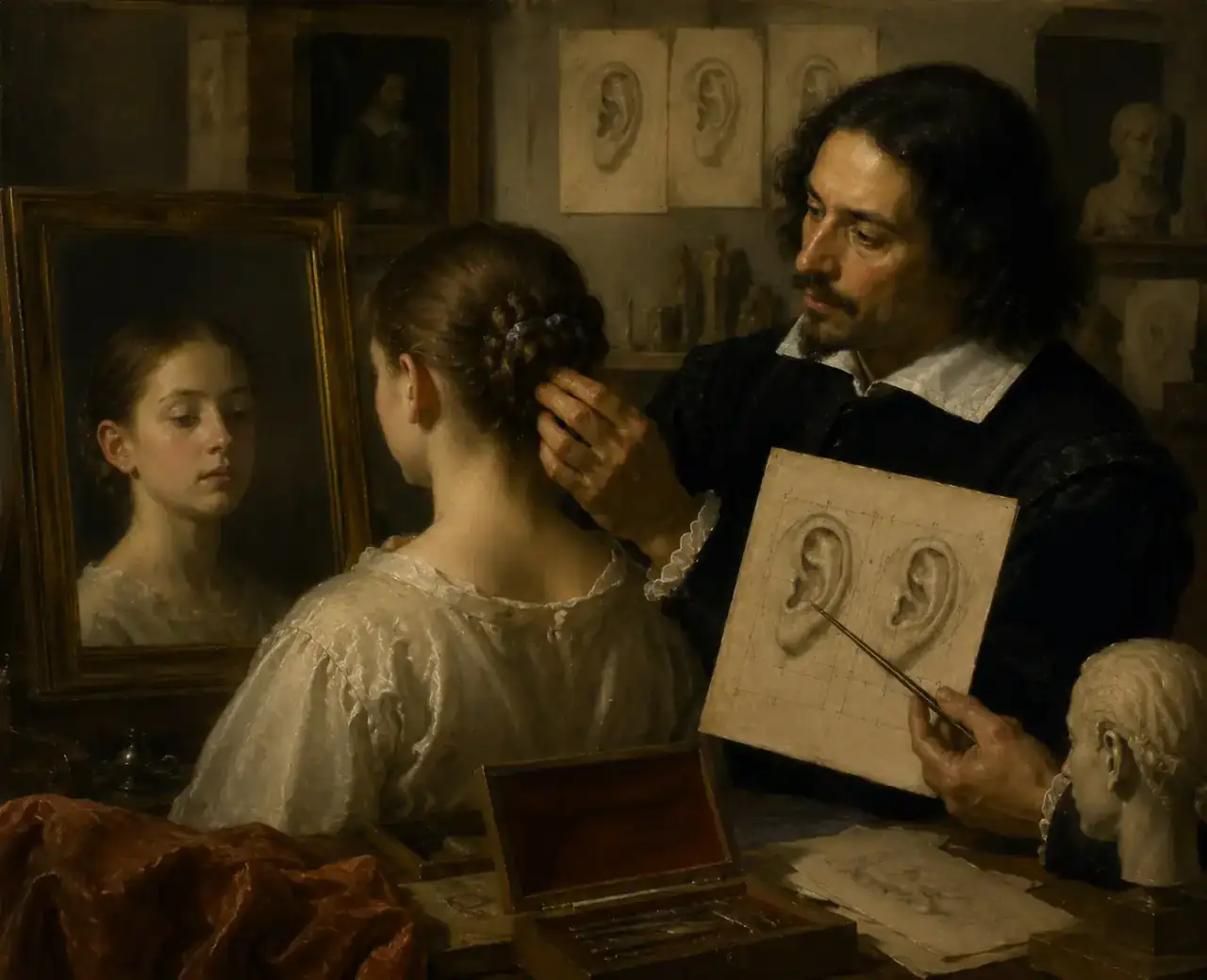
Baroque-inspired surgical planning scene showing multiple ear forms and a surgeon examining the back of a patient's ear
Anatomy - technique - restraint
Technique follows the cartilage pattern
The individual ear studies reinforce that otoplasty is not one operation. Fold creation, conchal setback and selective reshaping are chosen according to the anatomy.

Techniques

How the plan may be tailored

Technique is selected only after examination, goals and safety considerations are aligned.

  1. 01Cartilage-sparing suture shaping
  2. 02Selective cartilage scoring or reduction
  3. 03Conchal setback
  4. 04Lobe adjustment when it contributes to prominence
Page
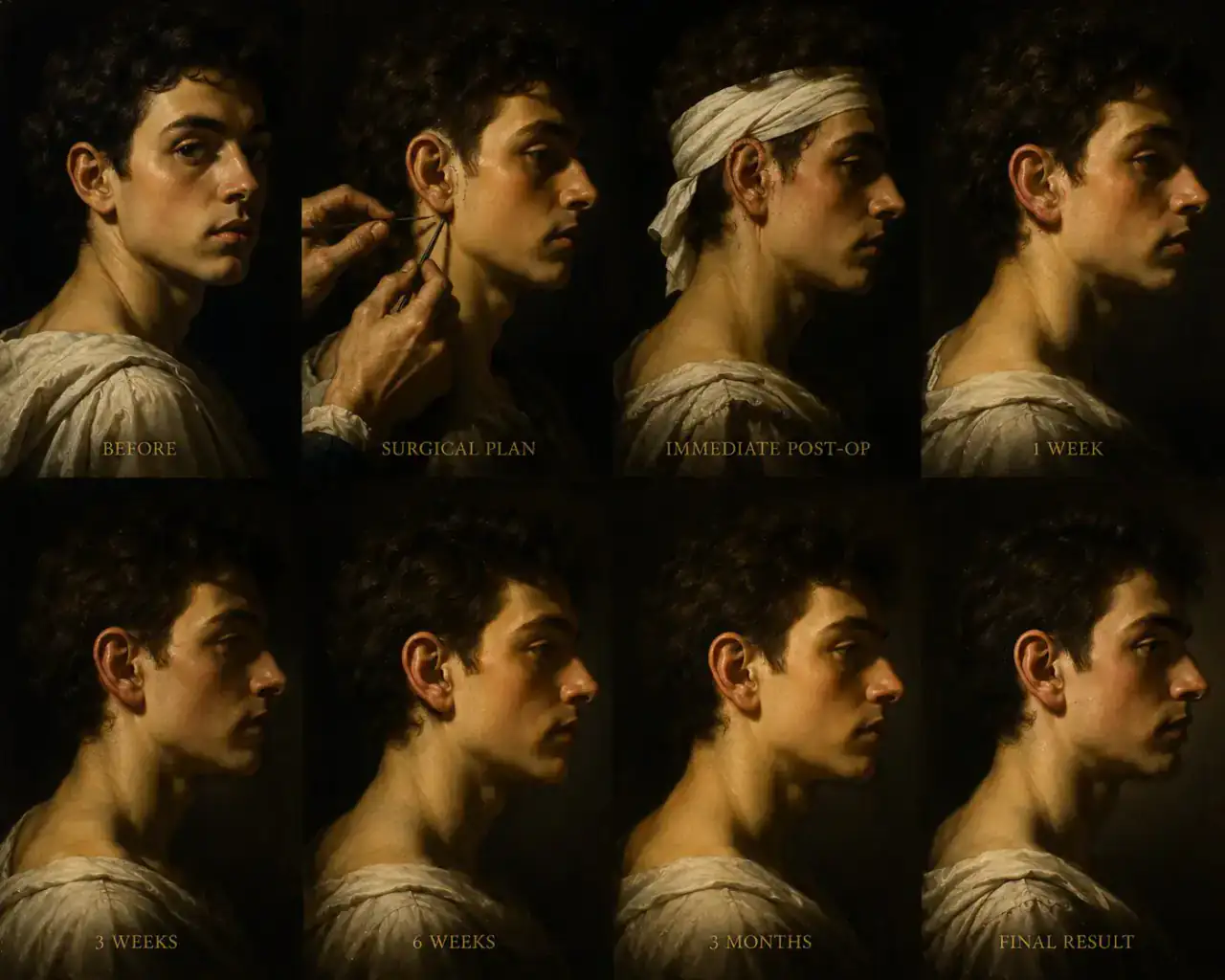
Classical portrait sequence showing otoplasty planning, immediate dressing and progressive healing through the final result
Recovery - protection - refinement
Healing is a sequence
The progression illustrates why the early dressed ear is not the final contour. Swelling, support and scar maturation settle over time.

Recovery

Healing is a Sequence

The early view is never the final result. Follow-up allows swelling, sensation, scars and contour to be assessed over time.

  1. 01A protective dressing is used as directed.
  2. 02Swelling, tenderness and temporary altered sensation improve gradually.
  3. 03Contact and pressure on the ears are restricted during early healing.
Page
Abstract black, cream and gold painting of a figure surrounded by ear studies, facial proportions and question marks
Risks - alternatives - judgment
An informed decision organizes complexity
Otoplasty involves cartilage memory, asymmetry, recurrence and scar considerations. A clear discussion turns many competing details into an individual decision.

Risks + alternatives

An informed decision

Every procedure has limitations and alternatives. Consultation should make both clear.

Risks to discuss

  • Bleeding, infection, fluid collection and delayed healing.
  • Temporary or lasting numbness, asymmetry, contour irregularity or an unfavorable scar.
  • Anesthesia-related complications and the possibility of revision surgery.
  • Cartilage irregularity, recurrence, overcorrection, suture reaction, skin compromise or asymmetry.

Alternatives to consider

  • Observation
  • Hairstyle camouflage
  • Newborn ear molding when age-appropriate
  • Repair of a specific deformity rather than full otoplasty
Page
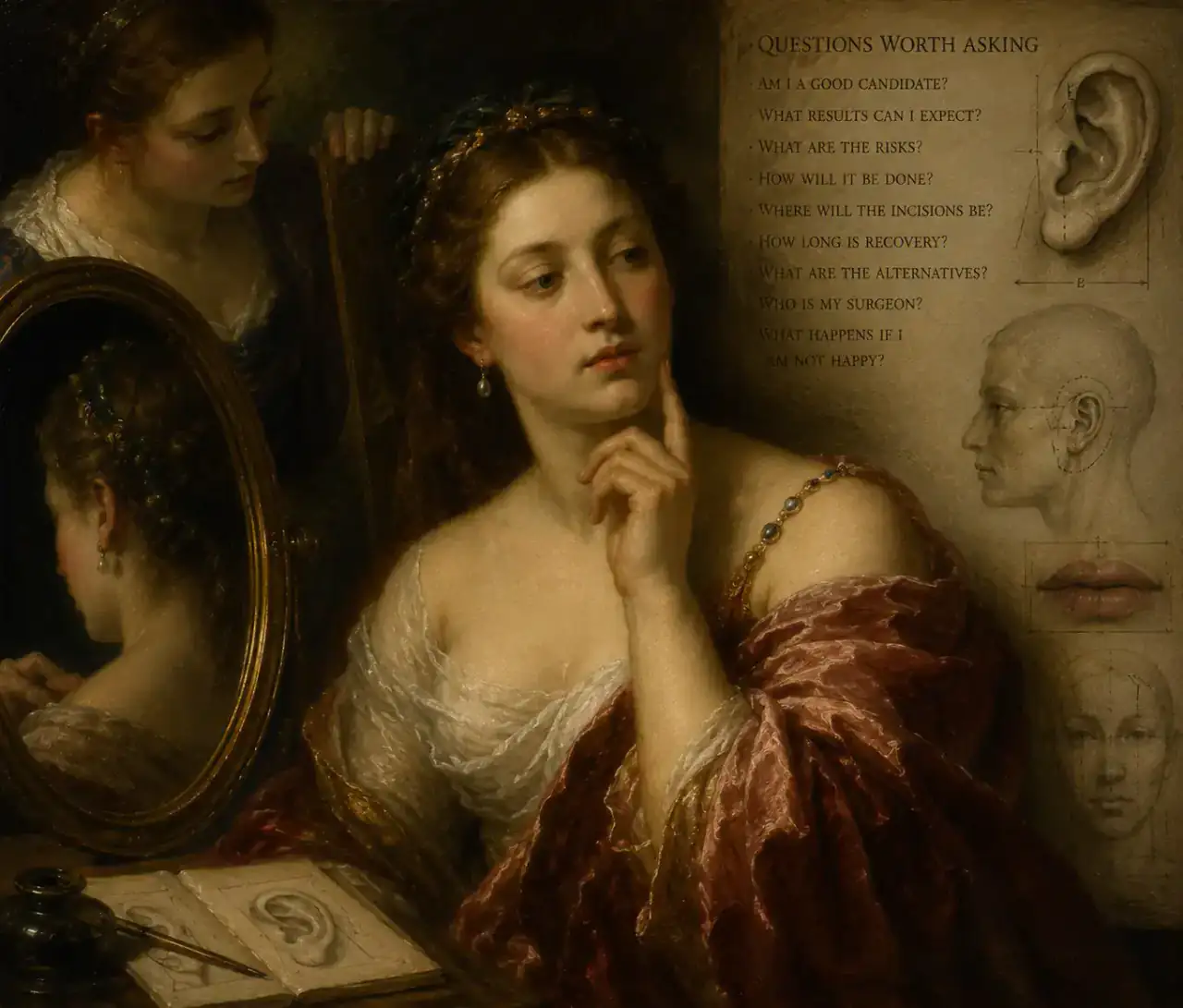
Classical painting of a woman considering questions about otoplasty beside ear and facial anatomy studies
Questions - clarity - partnership
Questions worth asking before otoplasty
Candidacy, technique, incision placement, recovery, risks and alternatives should all be understood before choosing surgery.

Questions

Questions worth asking

Start with the indication: the precise anatomical or functional finding the procedure is intended to treat—and why that approach fits better than the alternatives.

What findings would make me a candidate for Otoplasty?

Otoplasty is considered when prominence or asymmetry comes from a specific cartilage finding—commonly an underdeveloped antihelical fold, a deep conchal bowl, increased ear-to-head angle or a contributing lobe shape. The operation is not indicated merely because two normal ears differ slightly. The cartilage pattern determines whether folding, setback, selective reshaping or no surgery is the most reasonable choice.

What can this procedure realistically change?

The indication above defines the anatomical problem the procedure can address. It cannot promise symmetry, stop aging or correct concerns that arise from a different tissue layer.

When will I see the final result?

Timing varies by procedure and healing; early swelling, firmness or asymmetry should not be mistaken for the final contour.

Page

Educational information only. Not medical advice. Consultation is required for individualized recommendations. Candidacy, technique, risks, recovery and alternatives require an individual examination. Illustrations do not predict or guarantee a result.

Educational information only. Candidacy, technique, risks, recovery and alternatives require an individual examination. Illustrations do not predict or guarantee a result.

Madison Avenue · New York City

Ready when you are.

Meet Dr. Dagan in person or begin with a virtual consultation.

Schedule a consultation